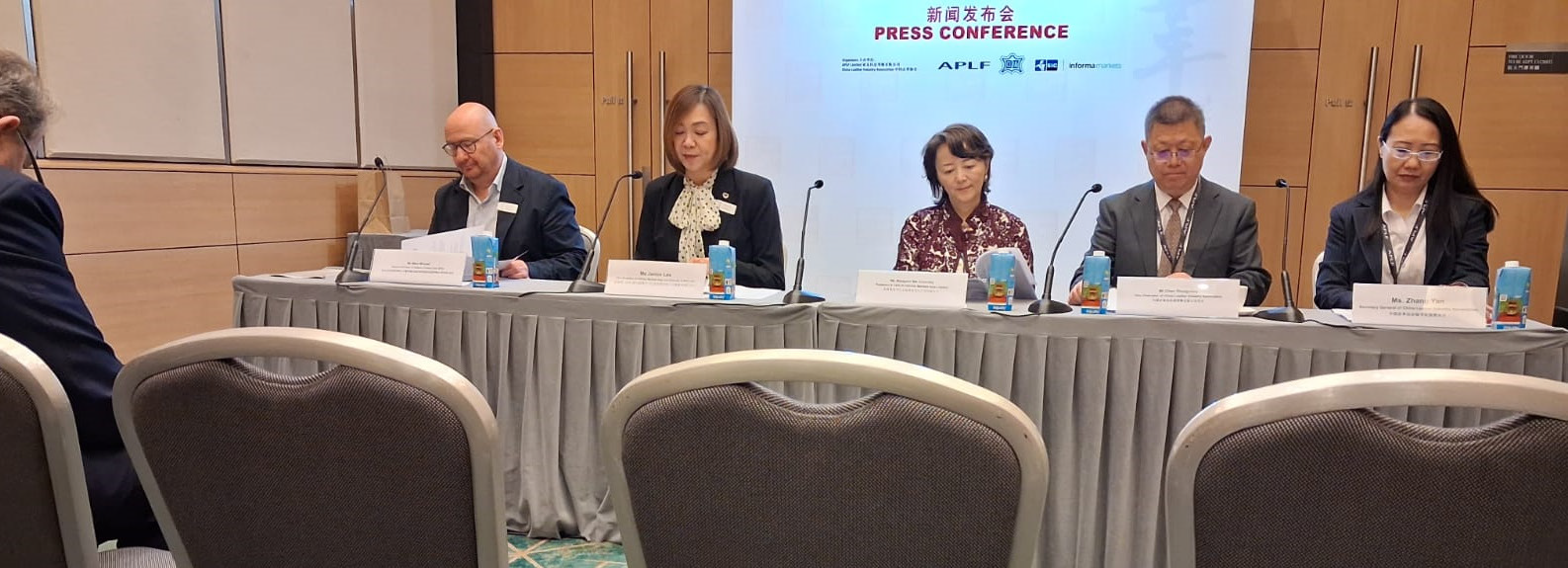
“At the ACLE 2025 Press Conference held on 13 March 2026 in Hong Kong, China’s overall economy was reported to have shown steady progress in 2025, with GDP reaching 140.19 trillion yuan, marking a 5.0% year-on-year increase, while also facing new difficulties and challenges. From an international perspective, geopolitical uncertainties have intensified, increasing the pressure on stabilising external demand,” said Chen Zhanguang, Vice Chairman of the China Leather Industry Association.
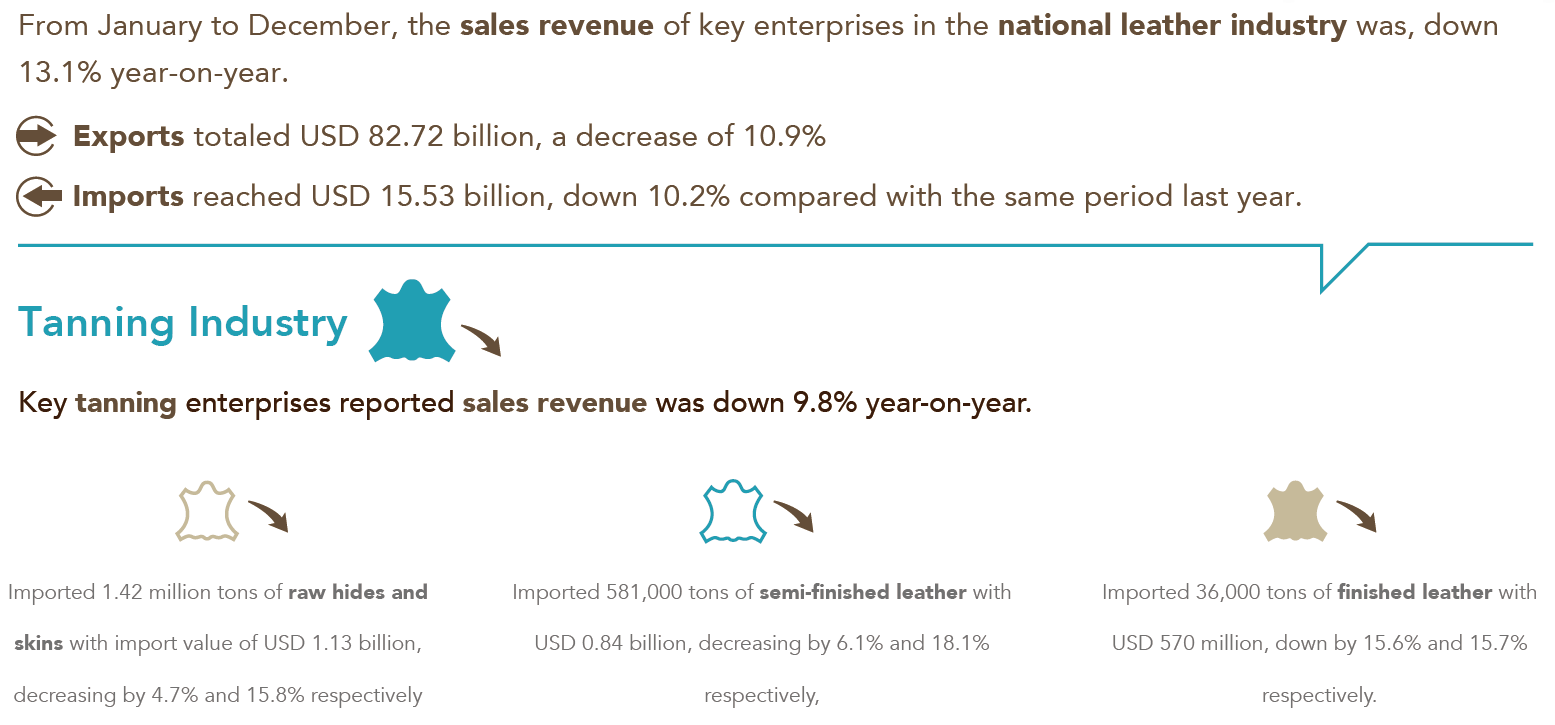
“From a domestic perspective, demand remains insufficient, and some enterprises are facing difficulties in production and operations. The leather industry in China continues to move forward under pressure. Export performance has declined throughout the year, while sales revenue as well as import and export values have also recorded decreases,” he added. According to statistics, in 2025, the sales revenue of major enterprises in China’s leather industry fell by 13.1% year-on-year. The industry’s export value stood at USD 82.72 billion, down by 10.9%, while import value reached USD 15.53 billion, decreasing by 10.2% year-on-year.
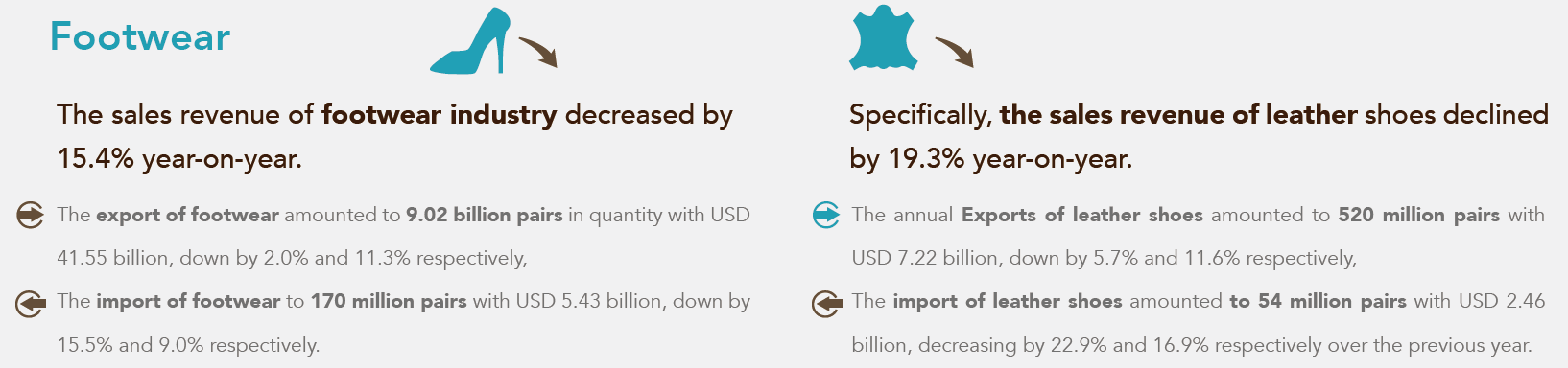
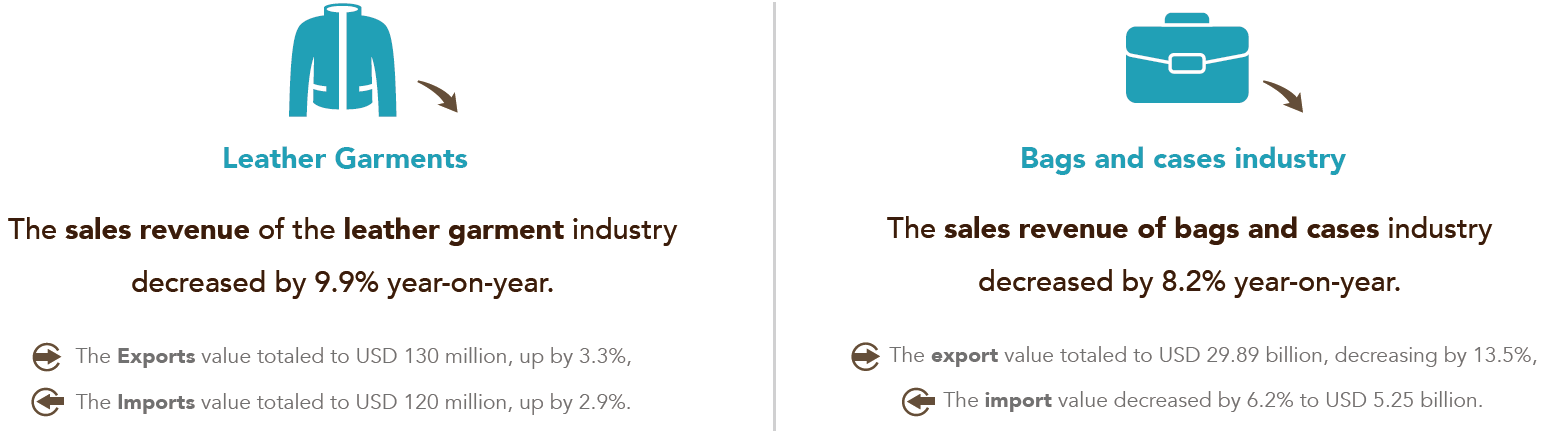
Through his address, Mr. Chen Zhanguang provided attendees with a concise analysis of the key leather industry segments, offering a clearer picture of the sector’s overall performance and condition in 2025.
What about the challenges and opportunities for the future?
From the above analysis, it is evident that while the overall development of China’s leather industry remains stable, it continues to face a range of challenges across both domestic and international markets. Weak market demand, driven by trade protectionism, geopolitical uncertainties, and insufficient domestic consumption, remains a key concern. In addition, the rising use of alternative materials such as textiles and synthetics is gradually reducing the demand for natural leather.
Despite these challenges, the industry also presents significant opportunities for growth. Government measures aimed at boosting domestic consumption, along with increasing consumer income, are expected to expand market potential. At the same time, scientific and technological advancements are enhancing competitiveness, sustainability, and operational efficiency. The rapid growth of the automobile sector, particularly new energy vehicles, is further driving demand for automotive leather. Moreover, stronger industry promotion, branding efforts, and international cooperation are helping to strengthen the global position of China’s leather sector.
According to Mr. Zhanguang’s analysis, the outlook for 2026 suggests that the domestic market will see a moderate recovery, while the international market may continue to face pressure. However, regions such as Belt and Road countries, RCEP member states, and Africa are expected to remain promising. Overall, finished leather production is likely to stay relatively stable, with companies that demonstrate stronger innovation capabilities gaining a competitive edge, and automotive as well as upholstery leather continuing to play a crucial role in the industry’s growth.


 京公网安备 11010202009378号