China in ‘filter mode’. Coach, Ralph Lauren, Canada Goose, Louis Vuitton, Burberry. These are the brands that have seen a rise in sales in China. It’s a selective market, but one that seems to have left its worst days behind. This is mainly because families are no longer investing solely in real estate but also in the stock market, reaping gains from tech stocks. This new wealth is benefiting not only certain luxury brands but also local brands, which have now grown and become competitive. It’s not just the best-known names like Anta and Li Ning, but a host of luxury and premium brands poised to take off, thanks in part to leather.
China in filter mode
The latest quarterly reports from luxury brands indicate that Chinese consumers are once again spending on
products designed specifically for the local market and with cultural relevance. It has been Gen Z shoppers (those born between 1997 and 2012) in particular who have been spending the most. Coach is well aware of this, having seen a surge in revenue thanks to the success of its handbags. According to
China Daily, the number of handbags sold by the
Tapestry-owned brand grew by 20%, demonstrating that Chinese consumers are willing to spend on brands that combine craftsmanship, affordability, and cultural relevance. Coach’s move to collaborate with the Chinese streetwear brand
Clot was particularly well-timed. Now Coach has decided to expand the number of stores.
Other brands
Other brands, such as Ralph Lauren and Canada Goose, have seen an increase in sales in China.
Bloomberg reports that Chinese wealth is increasingly tied to stock market performance rather than the real estate market. According to a
McKinsey analysis based on official data, investments in the real estate market have fallen from over 90% in 2016 to about 33% in 2025. Investments in stocks and other financial instruments have grown. Furthermore, the sales recovery is also leading to a reduction in the online promotions and discounts that brands previously used to boost sales.
According to data from the Chinese market research firm BigOne Lab, Louis Vuitton (LVMH) and Burberry experienced a sales recovery in their physical stores in China during the first quarter. Gucci (Kering) has slowed its decline, while Coach (Tapestry) is the standout brand. “The recovery in the real estate and stock markets has created a wealth effect, but both sectors remain volatile”, warns Jeff Zhang, an analyst at Morningstar. He concludes: “It will take time for consumer spending to fully recover”.
Keep an eye on local brands
But beyond foreign brands, 2026 could turn out to be the most successful year ever for local brands. Chinese designers and brands have grown over the years, both in terms of their products and their retail experience. Now, compared to the past, they are benefiting from the “guochao” trend, with young shoppers favoring local brands. In addition to the better-known Anta and Li Ning,
Jing Daily offers a selection of the most promising brands, many of which offer leather goods (including vegetable-tanned leather) across clothing, shoes, and bags. These include
Avvenn, Esoteric Thing, Uooyaa, Shushu/Tong, Roaringwild, Songmont, and Mason Prince.
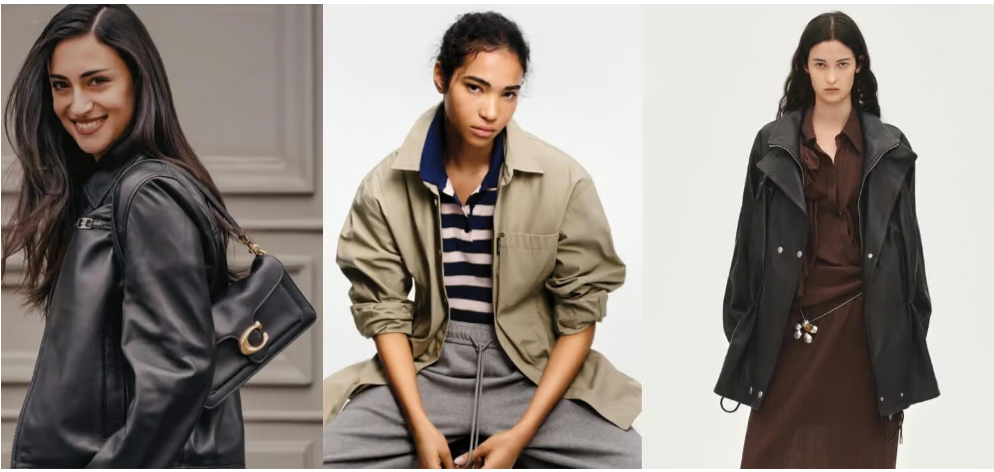
Photos from Coach, Canada Goose, and Avvenn


 京公网安备 11010202009378号