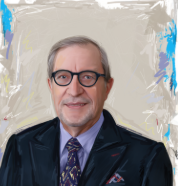
Under the leadership of Dr Luis Zugno, Leather Naturally, the global initiative dedicated to promoting responsibly made leather, continues to expand its educational mission.
In a sector often shaped by misconceptions and fragmented information, the organisation aims to promote a fact-based understanding of leather’s role, environmental impact and regulatory oversight, while advocating for greater industry collaboration and long-term investment in communication.
Chair
Dr Zugno explained that his decision to join Leather Naturally stemmed from admiration for the organisation’s founding mission and the professionalism of the team driving it. “Leather Naturally was founded in 2013 by Dr Mike Redwood as a voluntary organisation for leather education and the promotion of compliant and regulated leather manufacturing”, he shares.
After four years on the Board, the Chair position became a natural extension of his involvement. He emphasised that much of the organisation’s work is voluntary and funded through membership contributions, enabling Leather Naturally to maintain its educational resources and promotional activities while fulfilling its mission: serving the industry.
Technical Publications
Addressing the broader debate surrounding leather, Dr Zugno noted a shift from opinion-driven narratives to data-based evaluation. Leather Naturally has positioned itself at the forefront of this transition through its technical publications and partnerships.
The organisation’s Guide to Modern Leather Making remains a reference point. At the same time, collaborations with the Leather Working Group contributed to a significant update of the Higg Index, “demonstrating a 60% reduction in the global warming impact of bovine leather”.
Priorities
Looking ahead, Dr Zugno said his priorities include supporting Leather Naturally’s communications team, updating the website and ensuring content better serves industry stakeholders.
Collaboration remains central to the organisation’s strategy, and it is already working closely with IULTCS (International Union of Leather Technologists and Chemists Societies), and actively building partnerships with the Leather Working Group and Sustainable Leather Foundation, “aiming to expand collaboration and encourage more organisations to join efforts in promoting leather to global brands”.
Educational Outreach
Leather Naturally “exclusively supports the use of leather sourced from hides and skins of animals raised for food consumption, such as cattle, goats, sheep, and pigs”, Dr Zugno states. He stressed that one of the most persistent misconceptions is the belief that animals are slaughtered for leather production. “In reality, hides and skins typically make up only 1 to 3% of the animal's total value, and many are even discarded due to their low worth”, he explains.
Despite clear evidence from global markets, this misunderstanding continues. “For example, today in the United States, a cowhide sells for about 3 US dollars”. Similar price structures exist in Brazil. Dr Zugno questioned how such misconceptions still persist in 2025, underscoring the need for continuous, accessible education.
Challenges
Beyond raising public awareness, Leather Naturally and similar organisations face structural funding constraints. Their activities depend heavily on voluntary contributions from tanneries, chemical and machinery suppliers, and sector-related organisations.
Discussions around adopting a more stable, proportional funding model have persisted for years but remain unresolved. Dr Zugno noted that established models like “Woolmark® probably will not apply, as it is a grant-based funding model, primarily supported by the Australian Government”.
“The leather industry needs dedicated funding to effectively promote the use of leather both at the consumer level and among brands. Without sufficient resources, it becomes challenging to communicate the environmental, regulatory, and quality advantages of leather compared to synthetic alternatives”, Dr Zugno warns.
For Leather Naturally, securing resources to expand its educational activities and support the broader industry is essential to strengthening leather’s position in the marketplace and advancing understanding of its environmental, regulatory and material qualities.


 京公网安备 11010202009378号






.jpg)
