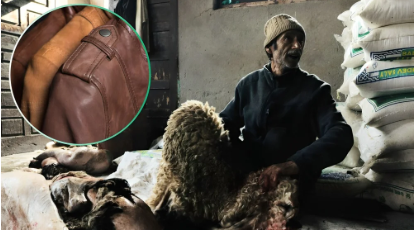
Kashmir holds an economic resource that rarely gets the attention it deserves. Every year the valley produces a massive volume of raw animal hides and skins driven by high meat consumption.
Around 3.5 million sheep and goat skins and more than one million cattle hides enter the local market annually.
Yet most of this material leaves Kashmir without any processing. The region has only a few small tanneries so raw hides are sold at throwaway prices to buyers in other states.
According to
Kashmir Observer a single raw skin can sell for as little as 175 rupees (~$2). Months later the same hide returns to the Kashmir market as a finished leather product worth nearly four times more. The value is added elsewhere not in Kashmir.
This was not always the case. Srinagar once had a strong tanning base especially in its older city areas. Over time these units declined due to weak infrastructure stricter regulations and the absence of coordinated industry support.
Today only a handful of small tanneries remain. Most raw material are sent out of the valley leaving local workers with little share in the final value.
The opportunity ahead is significant. Estimates suggest that a locally developed leather sector could generate hundreds of crores in revenue. It could also create thousands of jobs for artisans and young people.
By processing raw hides & skins locally Kashmir can build a full value chain. Jackets, bags, shoes and other leather goods can be made in the valley and sold across India and abroad.
Kashmir already has the raw material skills and demand. What it needs now is support to keep the value within the valley and generate jobs and income.


 京公网安备 11010202009378号









.jpg)
